-
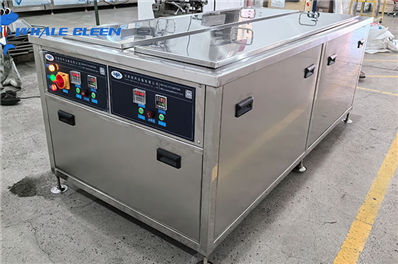 Efficient Applications of Ultrasonic Cleaners in Medical Equipment Sterilization
The healthcare industry places paramount importance on the cleanliness and sterility of medical equipment. Ensuring the highest standards of hygiene is not only crucial for patient safety but also essential for maintaining operational efficiency within me
-
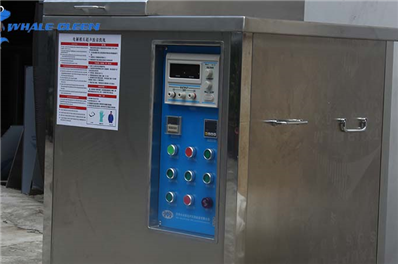 The highlight of the hospital ultrasonic instrument cleaner is "disinfection and sterilization"
The report of the 18th National Congress of the Communist Party of China put forward many new requirements for medical care. The construction mechanism requires the comprehensive reform of medical security, medical services, public health, drug supply, an
-
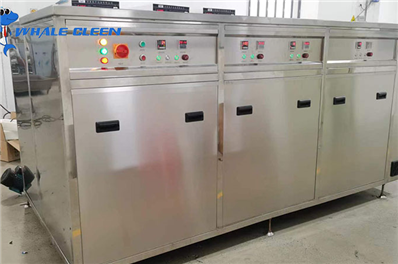 Understanding the Materials Used in Ultrasonic Cleaning Machines
Ultrasonic cleaning machines have become an essential tool in various industries, from medical equipment sterilization to precision engineering, thanks to their ability to clean delicate or intricate objects effectively. A critical aspect of their efficie
-
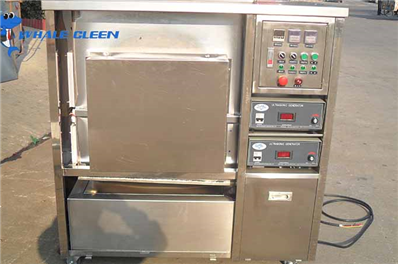 What is the laboratory medical ultrasonic cleaner?
With the development of modern medical technology, especially the development of modern surgery technology. Therefore, the requirements for disinfection and sterilization techniques are increasing. Dependence is getting stronger. The patient's medical
-
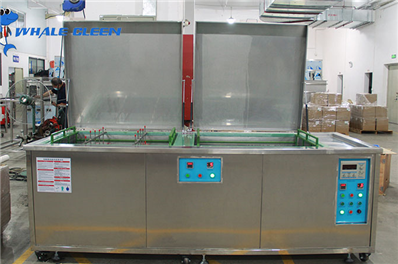 Ultrasonic Cleaning Machines: Enabling Sterile Cleanliness in Sanitary Ware
Introduction In recent years, the demand for higher hygiene standards has escalated, particularly in environments like hospitals, clinics, and other healthcare institutions. The risk of infections in such places necessitates impeccable cleaning methods
-
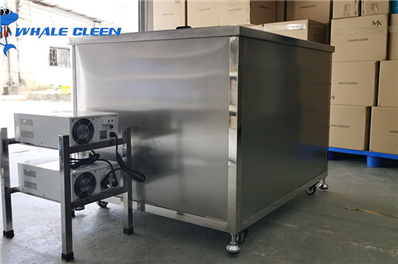 The Extensive Application of Ultrasonic Cleaning Equipment in the Medical Industry
The medical industry demands the highest standards of cleanliness and sterility, making the proper cleaning and disinfection of medical instruments and equipment a critical aspect of healthcare. Ultrasonic cleaning equipment has become a cornerstone in th
-
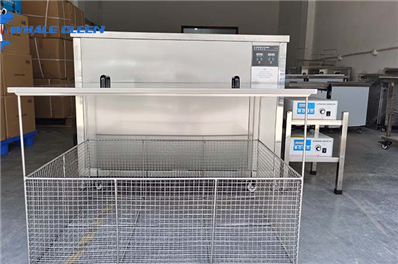 Non-Standard Workpieces with Unique Dimensions? Can’t Find the Right Equipment? A 20-Year Master Technician Specializes in Solving Every “Cleaning Challenge”
Every manufacturing engineer knows the feeling. You’ve sourced the perfect material, invested in precision machining, and built a production workflow that delivers quality. Then comes the cleaning stage—and suddenly, everything grinds to a halt.The part d
-
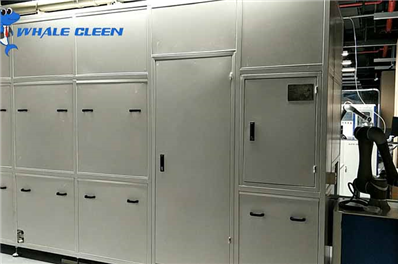 The Cost Trap: Why Your Ultrasonic Cleaning Machine Investment May Be Backward
Why do some manufacturers spend $30,000 on equipment and only $3,000 on maintenance over its lifetime—while you seem to have spent the opposite?If this scenario sounds painfully familiar, you are not alone. Many industrial buyers fall into a common trap:
-
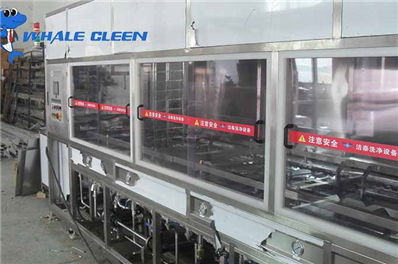 Cleaning Agent Consumption Spiraling Out of Control? How This Equipment Helps You Cut Chemical Costs
Every manufacturing manager knows the drill. You budget for cleaning chemicals, but somehow the actual spend keeps climbing. Drums of expensive cleaning agents disappear faster than expected. Waste disposal costs rise in tandem. And despite the growing ex
-
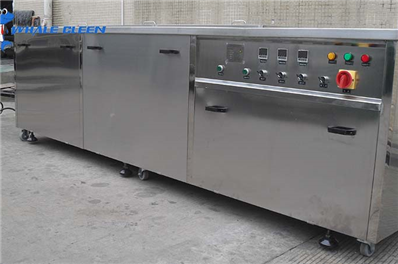 Why Do Ultrasonic Cleaners Have Multiple Cleaning Stages? The Science Behind the Process
Ultrasonic cleaners are widely used in industries such as manufacturing, healthcare, jewelry, and automotive for their ability to clean intricate items with precision. However, many users wonder why these machines often involve multiple cleaning stages in
-
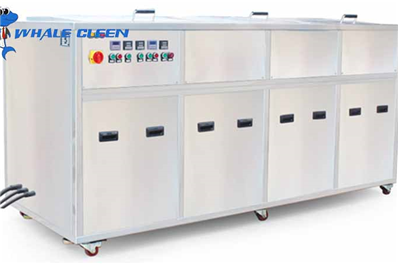 Why Do People Use Ultrasonic Cleaners? The Ultimate Guide to Ultrasonic Cleaning Technology
In today's world of advanced cleaning technology, ultrasonic cleaners have become increasingly popular across various sectors. But what drives people to choose these sophisticated cleaning devices? The answer lies in their unparalleled cleaning capabi
-
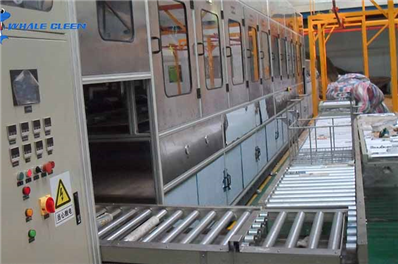 Why Do Ultrasonic Cleaners Heat Up? The Science Behind Temperature Rise and Practical Solutions
Ultrasonic cleaners have become essential tools in various industries, from jewelry cleaning to industrial parts maintenance. Many users notice that during operation, the cleaning solution and the device itself gradually heat up. This phenomenon often rai